
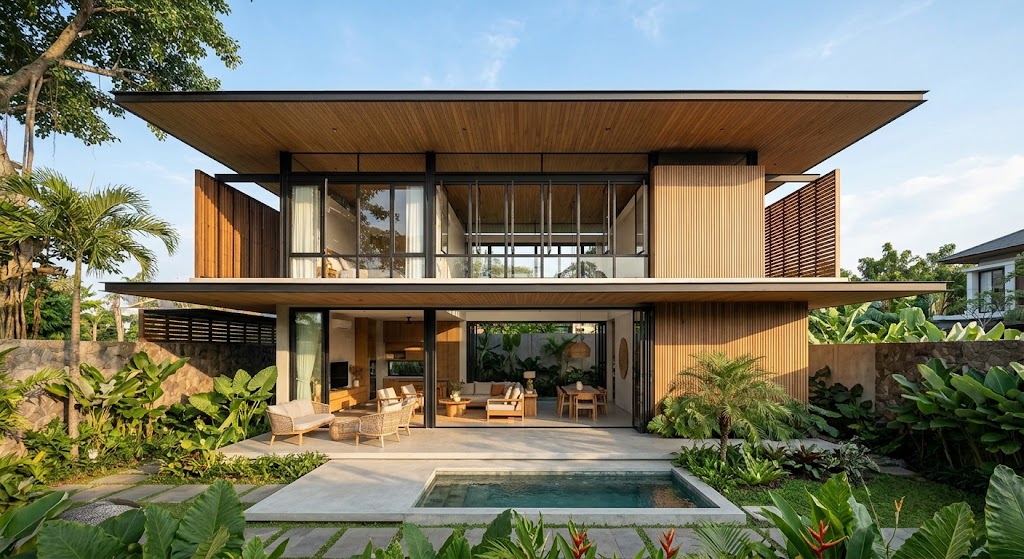
Tropical modern house design has become an increasingly popular choice for homeowners who want a beautiful, comfortable, and functional living space in warm climates. By combining contemporary architecture with natural materials, effective ventilation, and thoughtful shading, this design style creates homes that feel connected to nature while remaining practical for everyday living.
Unlike conventional modern houses that sometimes rely heavily on air conditioning, a well-planned tropical home considers the local climate from the very beginning. Features such as wide roof overhangs, large windows, shaded outdoor areas, and cross-ventilation can help reduce indoor heat and improve airflow.
Whether you are planning a new home or looking for inspiration to renovate an existing property, these tropical modern house design ideas can help you create a home that balances aesthetics, comfort, and energy efficiency.
What Is Tropical Modern House Design?
Tropical modern house design is an architectural approach that combines clean contemporary lines with features suited to hot, humid, and rainy environments. It emphasizes natural ventilation, protection from direct sunlight, durable materials, and a strong connection between indoor and outdoor spaces.
This style is particularly suitable for tropical regions such as Indonesia, Malaysia, Singapore, and other areas with warm temperatures throughout much of the year.
Common characteristics of tropical modern architecture include:
- Wide roof overhangs to protect walls and windows from direct sunlight and rain.
- Large windows positioned to encourage natural airflow.
- High ceilings that can support better air circulation.
- Open-plan living areas connected to gardens or terraces.
- Natural materials such as wood, stone, and textured finishes.
- Shaded balconies, patios, and outdoor living spaces.
- Landscaping that provides shade without blocking essential ventilation.
The goal is not simply to create a visually attractive building. It is to design a home that responds intelligently to its surroundings.
1. Modern Tropical House with Wide Roof Overhangs
One of the most recognizable features of tropical modern architecture is the wide roof overhang. In regions with intense sunlight and frequent rainfall, this feature provides practical protection while giving the house a distinctive architectural appearance.
Extended roof edges can reduce direct sunlight entering through windows and help protect exterior walls from rain. They are especially useful for windows facing the strongest afternoon sun.
For a modern appearance, combine a simple roof shape with neutral exterior colors, natural wood accents, and large glass openings.
The roof should be designed according to local rainfall, wind conditions, structural requirements, and drainage needs. A visually attractive overhang must also be technically sound.
2. Large Windows for Natural Ventilation
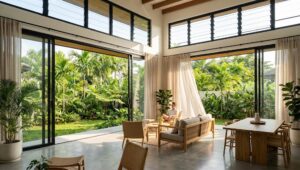
Large windows can make a tropical home feel brighter, more open, and more connected to the surrounding landscape. However, their placement matters just as much as their size.
Instead of installing glass across every wall, consider the direction of the sun, prevailing winds, and the availability of shade. Operable windows can provide natural ventilation when outdoor conditions are suitable.
For example, windows on opposite or adjacent sides of a room may help air move through the interior. This arrangement is commonly known as cross-ventilation.
Choose window frames and glazing suitable for the local climate. In areas exposed to strong sunlight, external shading and appropriate glass specifications can help limit unwanted heat gain.
3. High Ceilings for a More Comfortable Interior
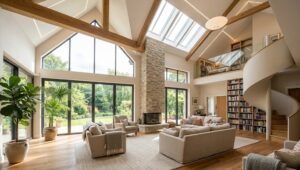
High ceilings are a popular feature in tropical modern homes because they create a spacious atmosphere and can support natural air circulation.
Warm air tends to rise, so a well-designed high-ceilinged room may allow warmer air to collect higher above the occupied area. The actual cooling effect depends on room design, ventilation openings, insulation, and outdoor conditions.
To make the most of this feature, consider combining high ceilings with appropriately positioned windows, clerestory openings, or roof-level ventilation where suitable.
Timber ceiling details, exposed beams, and simple pendant lighting can add character without making the interior feel visually crowded.
4. Open-Plan Living Areas Connected to Nature
An open-plan layout brings the living room, dining area, and kitchen together in a more flexible arrangement. In tropical modern house design, this layout can also strengthen the connection between indoor spaces and outdoor gardens.
Sliding glass doors or wide openings can connect the living room to a shaded terrace. When the weather is suitable, these openings allow residents to enjoy natural airflow and views of greenery.
However, an open-plan home still needs careful planning. Cooking odors, privacy, noise, and heat from appliances should be considered before removing too many internal partitions.
A practical approach is to create clear zones for different activities while maintaining an open and welcoming atmosphere.
5. Natural Wood Accents for Warmth and Character
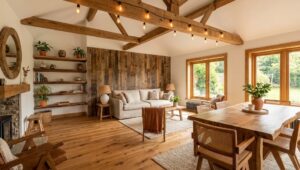
Wood is often used in tropical modern architecture to soften the appearance of concrete, glass, and other contemporary materials.
It can appear in ceiling panels, decorative screens, doors, pergolas, balcony details, or exterior cladding. The natural texture creates visual warmth and complements the greenery commonly found around tropical homes.
For outdoor applications, choose timber or alternative materials rated for the relevant exposure conditions. Rain, humidity, sunlight, insects, and maintenance requirements can affect long-term performance.
Wood-look aluminum, fiber-cement products, and other weather-resistant alternatives may be suitable when natural timber maintenance is impractical.
The key is to use these materials selectively. A few well-placed accents can create a sophisticated look without overwhelming the design.
6. A Shaded Tropical Garden in Front of the House
A front garden can improve the appearance of a home while helping create a more pleasant transition between the street and the entrance.
Tropical plants, layered greenery, ornamental grasses, and carefully positioned small trees can complement a modern facade. Trees may also provide shade to exposed walls and windows when their placement is planned appropriately.
Choose plants based on local rainfall, sunlight, soil conditions, and available maintenance time. Avoid placing dense vegetation where it would block windows, restrict airflow, or interfere with drainage.
For a clean and contemporary appearance, combine a limited selection of plants with stone pathways, simple planters, and discreet outdoor lighting.
A well-planned garden does not need to be large. Even a narrow planting strip can make a compact house feel more welcoming.
7. Cross-Ventilation for Better Airflow
Natural ventilation is one of the most important considerations in tropical house design. Cross-ventilation occurs when air enters through one opening and moves through a room before leaving through another.
To support this process, architects consider window placement, internal doorways, room depth, surrounding buildings, and the direction of prevailing winds.
A house with openings on only one side may have fewer opportunities for effective cross-ventilation than a layout with openings on multiple sides. Nevertheless, actual airflow depends on wind speed, temperature differences, and the surrounding environment.
In dense residential neighborhoods, privacy screens and strategically positioned windows can help balance airflow with privacy.
Natural ventilation is not always sufficient, particularly during very humid, still, or hot weather. Ceiling fans and efficient air conditioning can complement the design when needed.
8. A Modern Pergola for Outdoor Comfort
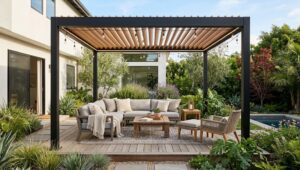
A pergola can create a comfortable transition between the interior and exterior of a tropical home. It provides a defined outdoor area for dining, relaxing, or spending time with family.
Wood, metal, or composite materials can be used to create a contemporary pergola. Depending on the design, the structure may support climbing plants or incorporate adjustable shading elements.
For areas exposed to intense sunlight, consider how much shade the pergola provides at different times of day. A decorative structure alone may not offer enough protection from low-angle afternoon sun or wind-driven rain.
Proper drainage, structural stability, and weather-resistant finishes are also essential.
When connected to a living room or dining area, a shaded pergola can make outdoor space feel like a natural extension of the home.
9. A Tropical Modern Kitchen with Natural Light
A tropical modern kitchen should be visually appealing while remaining comfortable and easy to maintain.
Natural light can reduce the need for daytime artificial lighting, while carefully positioned windows may help remove cooking heat and odors. An effective exhaust hood remains important, especially when the kitchen is part of an open-plan layout.
Materials should be selected for their resistance to humidity, moisture, and everyday wear. Durable countertops, easy-to-clean cabinet finishes, and appropriate ventilation around cooking equipment can improve long-term usability.
For the design, consider light-colored cabinetry, natural wood accents, simple hardware, and a practical work triangle between the sink, stove, and refrigerator.
A window overlooking a garden can add a pleasant natural element to the cooking area without sacrificing functionality.
10. Tropical Modern Bathrooms with Natural Materials
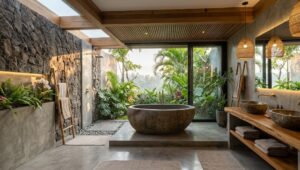
Bathrooms in tropical homes benefit from thoughtful ventilation, moisture management, and durable finishes.
A window can provide daylight and natural ventilation when outdoor conditions and privacy requirements allow. Mechanical exhaust ventilation may still be necessary, particularly in bathrooms with limited exterior openings.
Stone-look tiles, textured surfaces, timber-inspired cabinetry, and neutral colors can create a calm, contemporary atmosphere.
Good waterproofing, appropriate floor slopes, reliable drainage, and slip-resistant flooring are more important than decorative features alone.
For a spa-inspired appearance, introduce a small selection of tropical plants only where lighting, humidity, and maintenance conditions are suitable.
11. Energy-Efficient Tropical House Design
Energy efficiency should be considered from the earliest stages of planning rather than added after construction.
A well-designed tropical home can reduce unnecessary heat gain through building orientation, external shading, suitable insulation, reflective roofing where appropriate, and efficient lighting.
Windows should be selected based on climate and orientation instead of simply maximizing the amount of glass. Large unshaded windows can increase indoor heat, even when they make a facade look impressive.
Ceiling fans can improve perceived comfort by increasing air movement. Efficient air conditioning, when required, can help maintain comfort during periods when natural ventilation is inadequate.
Solar panels may also be worth considering where roof orientation, available space, budget, and local conditions are favorable.
The most effective solution is usually a combination of passive design measures and efficient technology.
12. A Tropical Modern House with a Functional Balcony
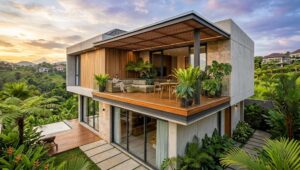
A balcony can provide an outdoor retreat while adding depth and character to a contemporary facade.
In tropical climates, a covered balcony is often more practical than a completely exposed one. It can provide shade, offer some protection from rain, and create a comfortable place to sit during suitable weather.
Glass railings can produce a clean, modern appearance, while metal screens or vertical timber-look elements may offer additional privacy and solar protection.
Select weather-resistant finishes and ensure that the balcony has suitable drainage and properly designed waterproofing.
Even a compact balcony can become a useful extension of a bedroom or living space when furnished with appropriately sized seating and a few well-chosen plants.
Choosing the Right Materials for Tropical Modern Architecture
Material selection affects appearance, maintenance, durability, and indoor comfort. The best choice depends on the local climate, construction budget, availability, and the level of maintenance the homeowner can provide.
Consider the following options:
| Material | Common application | Important consideration |
|---|---|---|
| Natural wood | Screens, ceilings, doors | Requires suitable protection and maintenance |
| Natural stone | Facades, garden walls | Check weight, installation, and moisture behavior |
| Concrete | Structural and architectural elements | Consider heat gain, insulation, and surface protection |
| Aluminum | Window frames, screens, pergolas | Choose suitable finishes for local exposure |
| High-performance glass | Windows and sliding doors | Select glazing based on sunlight and heat gain |
| Fiber cement | Exterior cladding and soffits | Follow the manufacturer’s installation requirements |
Combining two or three complementary materials often creates a more balanced result than using too many finishes on a single facade.
Common Mistakes to Avoid in Tropical House Design
A beautiful tropical home can become uncomfortable if climate considerations are overlooked. Before finalizing the design, watch out for these common mistakes:
Using too much unshaded glass. Large windows can increase heat gain when exposed to strong sunlight.
Ignoring the direction of the sun. Window placement should respond to the site’s orientation and local climate.
Relying entirely on air conditioning. Passive strategies can improve comfort and reduce cooling demand, although mechanical cooling may still be necessary.
Choosing materials based only on appearance. Outdoor finishes must withstand the local combination of sunlight, rain, humidity, and maintenance conditions.
Neglecting rainwater drainage. Roofs, gutters, balconies, and garden surfaces need a coordinated drainage strategy.
Planting trees too close to the building. Root growth, falling branches, blocked drainage, and restricted ventilation should be considered when selecting planting locations.
Avoiding these mistakes early can help prevent expensive changes after construction.
How Much Does a Tropical Modern House Cost?
The cost of building a tropical modern house varies widely according to location, floor area, structural design, material quality, labor rates, site conditions, and finishing standards.
A compact single-story home may require a different budget from a two-story house with large glazed openings, custom timber screens, extensive landscaping, and premium finishes.
Before construction, prepare a detailed budget that covers the structure, roofing, windows, ventilation systems, waterproofing, electrical work, plumbing, landscaping, and contingency expenses.
It is also worth consulting a qualified architect or building professional who understands local weather conditions and construction regulations. Their input can help balance the desired appearance with practical performance and long-term maintenance.
Final Thoughts
Tropical modern house design offers a practical way to combine contemporary architecture with the needs of life in warm climates. Wide roof overhangs, well-positioned windows, cross-ventilation, shaded outdoor spaces, natural materials, and carefully planned landscaping can all contribute to a more comfortable home.
The best design is not necessarily the largest or most expensive. It is the one that responds to the site, uses space intelligently, and balances visual appeal with everyday comfort.
Whether you prefer a compact minimalist home, a spacious two-story residence, or a house with an open connection to the garden, thoughtful tropical design can help create a home that looks modern and works well for years to come.
Frequently Asked Questions
What is the best design for a tropical modern house?
A suitable tropical modern house combines effective shading, natural ventilation, climate-appropriate materials, and a layout that responds to the site’s orientation and local weather.
How can I keep a tropical house cool without relying entirely on air conditioning?
Consider external shading, roof insulation, cross-ventilation, ceiling fans, suitable window placement, and materials that limit unwanted heat gain. The effectiveness of these strategies depends on local weather and site conditions.
Are large windows suitable for tropical homes?
Yes, when they are positioned and shaded appropriately. Large windows can improve daylight and views, but unshaded glass may increase indoor temperatures.
What roof is suitable for tropical modern architecture?
A suitable roof depends on rainfall, wind exposure, architectural preferences, and local building requirements. Roof overhangs, proper waterproofing, and reliable drainage are important considerations.
Is tropical modern house design expensive?
Not necessarily. Costs depend on the size, materials, structural requirements, and complexity of the project. A simple design with good climate planning may be more practical than a visually elaborate house with expensive finishes.
Can tropical modern design work on a small plot?
Yes. Compact layouts, vertical space, carefully positioned windows, shaded terraces, and small gardens can make a limited site more functional without compromising the overall design.